A PICTURE PAINTS A THOUSAND WORDS!
In the late 90’s, after my daughter received a diagnosis that required her to start on medication, I joined a local support group and went on to take place as an Executive Member of the Attention Deficit Disorder Information and Support (ADDISS) committee for many years.
I have just rediscovered an extract of a letter written, in 1989, to the group after one member’s son was diagnosed with ADHD and prescribed Ritalin.
SESSION BEFORE MEDICATION
During an early session with the speech pathologist, my son’s ability to recall spelling words from the previous week was tested. His actual behaviour was OK, he was “likable”, but his hyperactivity and impulsiveness tended to make him look lazy; his writing was untidy and oversized; and his ability to remember the spelling of words was appalling!
SESSION AFTER TAKING MEDICATION
During a future visit, which was 30 minutes after taking a dose of his now prescribed medication, my son’s writing was neat and even sized. This was a remarkable change. His attitude to the task at hand, his understanding of how he spelt words and his interest in spelling had undoubtedly changed. His mind was ticking over keen to discover the next word. We were amazed at his transformation.
IMPORTANCE OF USING MEDICATION CORRECTLY
After seeing the changes during the session, I was more aware of the fine-tuning of dose and timing of taking a 4-hour medication to get the most out of leaving the house and giving the best coverage at school and after school. I spoke with my son’s specialist about adjusting the dose as the day progressed to get through the morning/school and homework/dinner routine to make his life more balanced.
WHAT I LEARNED AS A MUM
Medication is a tool to assist with the symptoms of hyperactivity, impulsiveness and distractibility; medication is not a cure.
He also had some intolerance to certain foods that I needed to investigate.
Medication does not make a person any smarter; it just helps those with ADHD to focus more easily.
Short-acting ADHD medications seem to take about 10 mins to work and continue for about 4 hours.
Working with the specialist as to when to give the next dose before the first wears off completely to avoid “rebounding” is essential.
The benefits we saw were not just for during school hours but night-time and weekends become “fun” again without going through constant battles.
The medication does not stay in the system and needs to be taken at the nominated times each day, including weekends.
There were some side effects, such as a change in sleeping habits and food intake as first.
We were able to establish routines for the whole family to follow that took in these changes by offered healthy snacks when he was hungry.
We were able to parent more effectively with less effort.
BRIGHTER OUTLOOK
My son went on to nominate as School Captain in Year 7 and receive the role of House Captain as voted by his peers. ADHD medication helped my son reach his full potential and form life-long friendships.
FOR MORE INFORMATION ON ADHD / ASD and to receive your free copy of “Elements of ADHD/ASD” Workshop please subscribe to: www.appliedtechniques.net
Note: Original author of extract unknown. Ritalin has been used in Australia to treat the symptoms of ADHD since 1962. This information is not considered medical advice and must not be used to self-diagnose or treat ADHD. Not all people who take this medication for ADHD have the same results. There are a number of short and long acting preparations prescribed for individuals today. Please consult a professional practitioner if this article has raised any questions.
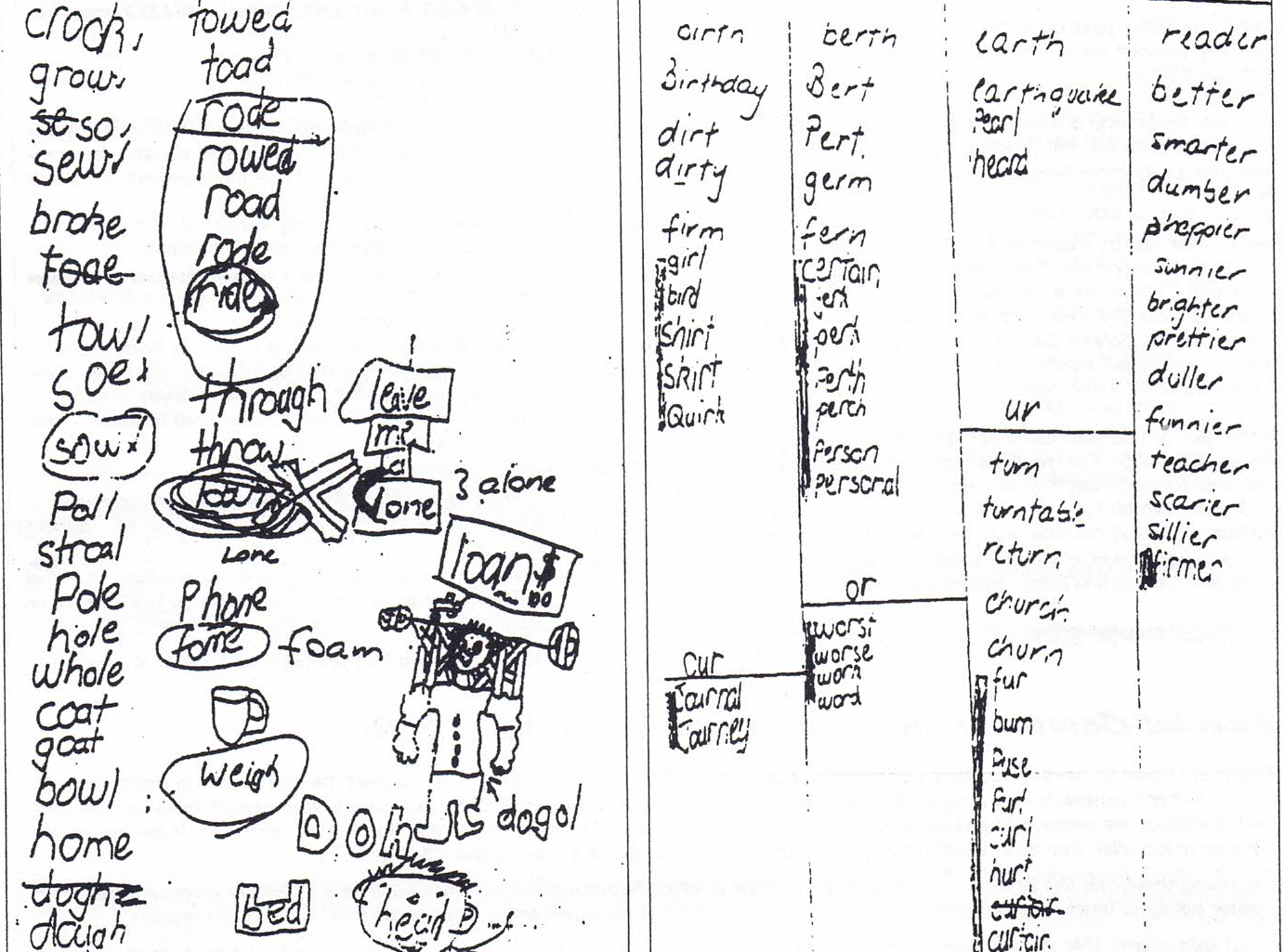
EXAMPLE OF WRITING BEFORE AND AFTER TAKING MEDICATION FOR ADHD.